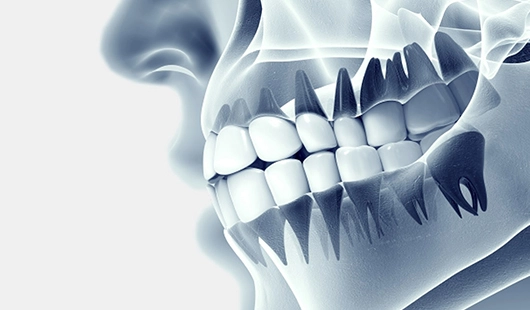
X-rays, or radiographs, allow your dentist to see things in
your mouth on a deeper level. With the goal of providing the best possible care
to patients, dentists know that just a visual examination won’t cut it. Dental
x-rays are a great diagnostic tool that can help your dentist see any damage or
disease that isn’t visible to the naked eye. With x-rays, dentists can
accurately diagnose and treat dental problems and be proactive rather than
reactive to issues in the mouth.
Have you ever wondered why x-rays may be necessary during
your regular dental visit at s ? Our goal is to keep patients informed
about their oral health, and this includes the importance of x-rays and how
they’re used in dentistry. The fact of the matter is, dental x-rays are
incredibly important. Their job? To diagnose or take a peek at what really is
going on in your mouth.
Your dentist will take regular x-rays to look for early
signs of tooth decay. Sometimes the tooth looks healthy, but your dentist will
be able to see from an x-ray (radiograph) whether you have any decay between
your teeth or under existing fillings, any possible infections in the roots, or
any bone loss around the tooth. Finding and treating dental problems at an
early stage can save both time and money.
In children, x-rays can be used to show where the second
teeth are and when they will come through. This also applies to adults when the
wisdom teeth start to come through.
There are various types of x-ray. Some show one or two teeth
and their roots while others can take pictures of several teeth at once. The
most common x-rays used at Side Dental Clinic are panaromik x-ray ones,
which are taken regularly to keep a check on the condition of the teeth and
gums.
1-Panoramic x-rays are taken from the outside of your
mouth and give your dentist an image of the entire oral cavity in one big
photo. During a panoramic x-ray, the x-ray machine will move around the
circumference of your head to get a full picture. This x-ray shows all of your
teeth including the jaw bones and sinus areas and can be a great way to detect
jaw disorders and any irregularities that you may have.
2-In addition, periapical x-rays that show the teeth
more closely are frequently used in side dental clinic.
3-On the other hand, a cone beam CT (CBCT) captures a
complete volume image in one single rotation of your mouth.
Your dentist might take a CBCT scan to see how your wisdom
teeth develop, plan for implant placement as well as capture a 3D image of your
head, allowing for the identification of any pathologies.
X-rays are safe, but emit low levels of radiation. To
eliminate the risk, dentists use a leaded apron to cover your body and if
necessary, a leaded thyroid collar. These precautions are taken to mitigate
risks and allow the lowest amount of radiation possible.
Both types of x-ray are quick and painless and require no
more than a few minutes of your time. The benefits, however, can last a
lifetime.
While this may vary depending on the person, the bare
minimum you should get an x-ray is at your annual or bi-annual dental
appointment and cleaning.


"Such a pleasant company to deal with, great communication and service... Can totally recommend"
 Official Partner
 Certified Clinic
Internationally Accredited Health Tourism Provider