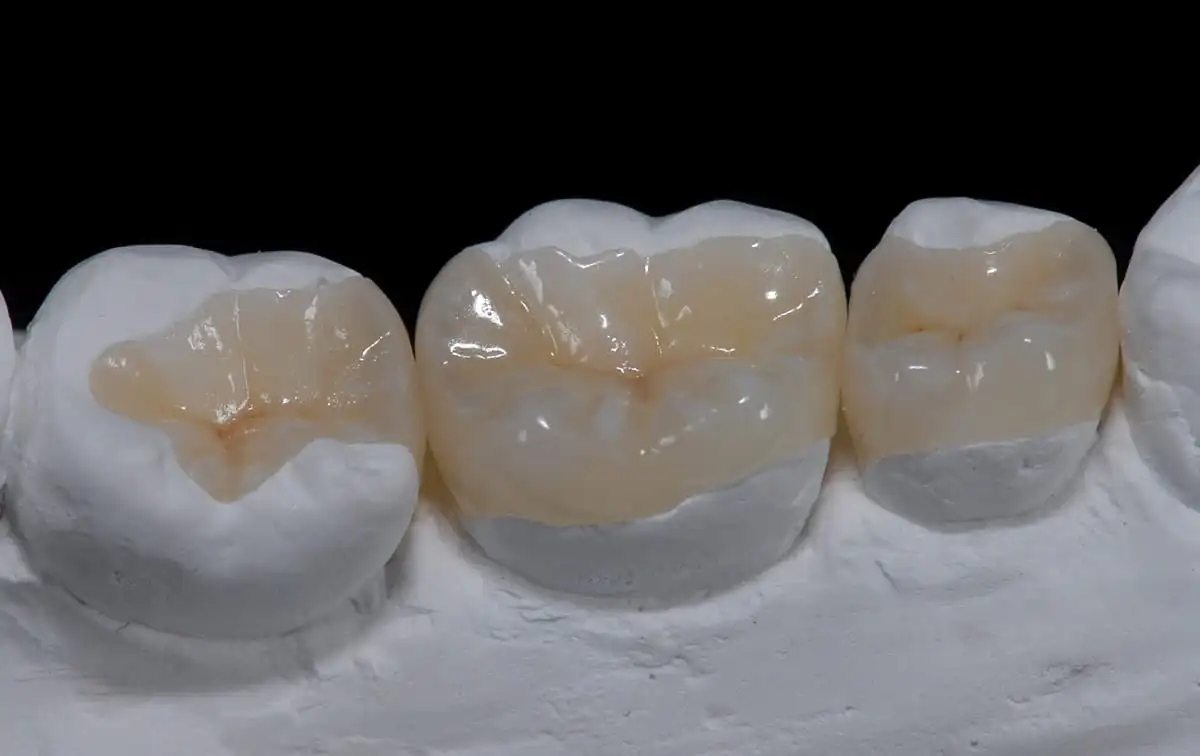
Dental inlays and onlays are gold, composite, or porcelain
materials used to repair moderately damaged or decayed teeth. Dentists use
dental inlays and onlays to restore a tooth that is too damaged to repair with
a filling but not damaged enough to need a crown. Dental inlays and onlays save
the healthy portion of an injured tooth and provide strength and stability for
normal chewing.Your dentist wants to help you keep your existing teeth, so if
they find that your tooth doesn’t necessarily need a crown, a dental inlay or
onlay may be suggested as the best treatment option. But what can you expect
during a dental inlays and onlays procedure? This article will help you
understand the process.
·
They're ideal for reconstructing the shape of
your tooth.
·
They create a more natural biting shape than a
filling
·
They remove less natural tooth structure than a
crown.
As with any treatment, an examination or consultation is
required. The dentist first needs to look at the tooth in question and discuss
the different treatment options with you.
When considering an inlay or onlay, an X-ray is needed to
check the following things:
Has it been root filled? If yes, the success of this must
also be assessed.
Note. If a tooth has had a root canal, then it is generally
best restored by a full coverage crown
(A full coverage inlay/onlay is a viable alternative.)
Are there any signs of infection around the end of the root
indicating the tooth needs a root canal treatment?
How does the periodontal support of the tooth look?
What is the extent of the decay, if there is any? Is the
tooth restorable? If the decay or cariesextends deep under the gum, the tooth
may not be able to be saved and need an extraction
How close it gets to the nerve chamber is also important in
predicting future problems and deciding whether or not to perform a root canal.
Special tests will also help in determining the most appropriate treatment.
The actual procedure for an inlay/onlay takes two
appointments unless a CEREC machine is being used to fabricate it, whilst you
are in the chair. The first appointment to prepare the tooth tends to take a
little longer (about an hour) than the second appointment (to cement it in).
Before you head into a dental inlays and onlays procedure,
it’s important to first understand the difference between an inlay and an
onlay. Dental inlays and onlays offer similar benefits and are both excellent
alternatives to dental crowns. The only major difference between the two is
that each option covers different parts of a tooth.
Dental Inlays: These are fitted into grooves within the
cusps of your teeth — almost like tooth fillings.
Dental Onlays: Onlays are used when decay or damage is more
extensive and replace the chewing surfaces of teeth.
Dental inlays and onlays can be made of the following
materials:
Composites (resins) include powdered glass-like material and
acrylics. Composite inlays and onlays are more cosmetically pleasing than metal
because they match the tooth’s color.
Metal, typically gold, but other metals may be used as well.
Dentists may use metal inlays or onlays in back teeth, or molars, because of
metal’s strength and durability. Today, gold is used less often than in the
past because it is less cosmetically pleasing than other types of inlays and
onlays.
Porcelain matches the tooth’s color.
At the Side Dental Clinic, Dentist Ahmet Tosunoğlu
will explain the treatment in detail.
Following your procedure you may experience tissue
sensitivity around your tooth. This should be minimal and only last one or two
days. Over-the-counter pain relievers may be all you need to find relief. Your
dentist should also provide detailed aftercare instructions which may include
the following:
Avoid hot and cold beverages and sticky foods while you’re
still numb or experiencing sensitivity.
Pay close attention to your bite. If your tooth doesn’t feel
right or your bite feels off, contact your dentist right away to avoid possible
complications.
Once numbness or soreness subsides, take care of your new
inlay or onlay just as you would the rest of your teeth. Avoid chewing on
overly hard or sticky foods to prevent damage or cracks, brush your teeth twice
a day, floss once a day and see your dentist for regular teeth cleanings and
exams. Doing so will allow you to enjoy your inlay or onlay for many years.


"Such a pleasant company to deal with, great communication and service... Can totally recommend"
 Official Partner
 Certified Clinic
Internationally Accredited Health Tourism Provider